Surfing Troncones, Mexico: What to Expect (Local Guide)
Updated: Aug 8
If you’ve been researching surfing in Troncones, Mexico, there’s a good chance you’ve noticed it offers a very different experience from the country’s busier surf towns.
Troncones, it’s not the most famous surf town in the country, and that’s part of what makes it interesting.
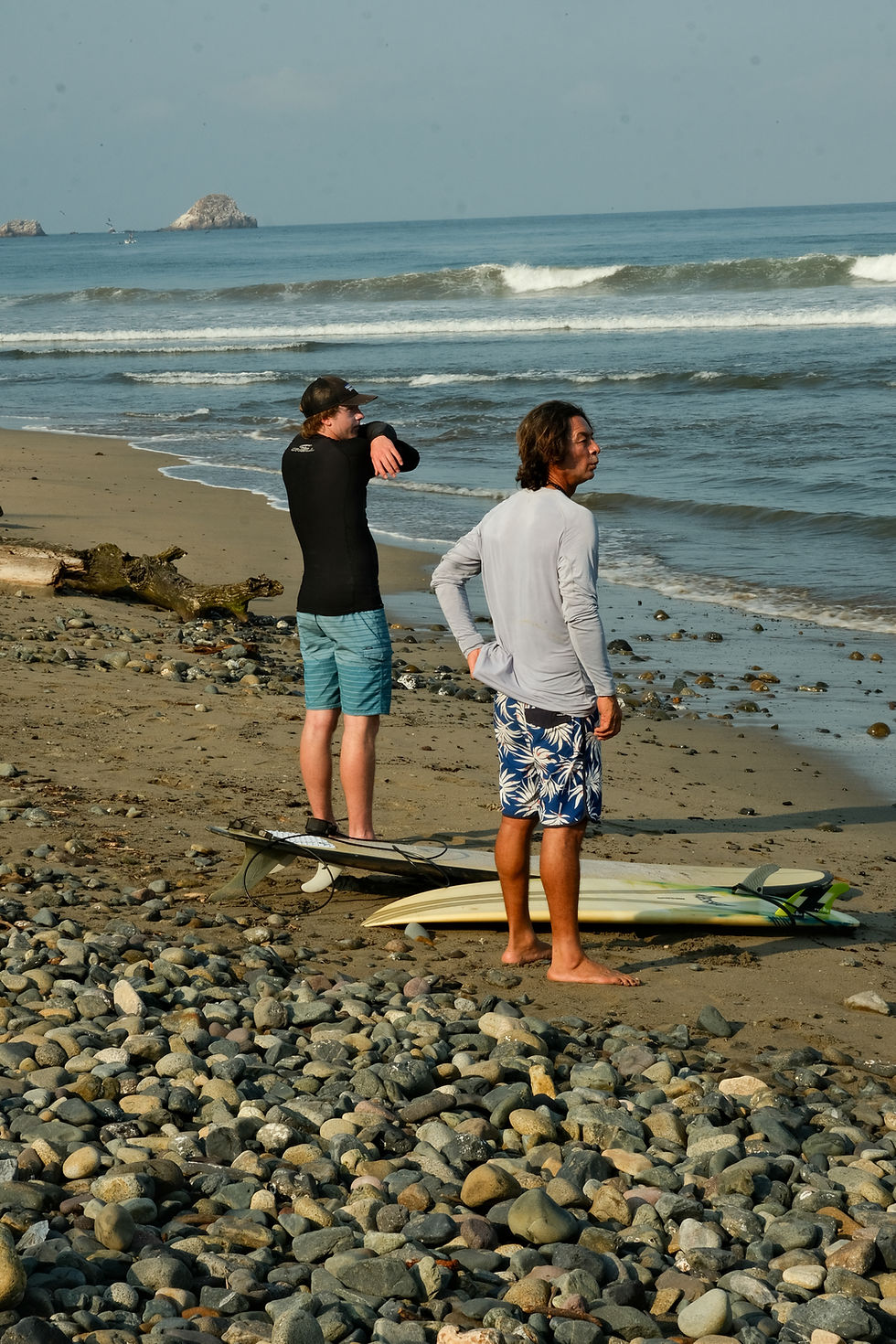
Located about 30 minutes north of Zihuatanejo on the Pacific coast, Troncones offers a different kind of surf experience. It’s quieter, less developed, and built around the rhythm of the ocean rather than tourism.
For many surfers, that’s exactly the appeal.

What Is Surfing in Troncones Like?
The coastline around Troncones offers a mix of beach breaks and nearby point breaks, which means there’s usually something working depending on the swell.
On any given day, you might find soft, playful waves or slightly more powerful sections depending on conditions.
Just a short drive away, you also have access to waves like La Saladita, known for long, mellow lefts that can run for hundreds of meters.
Instead of being locked into one spot, you have options — and that’s one of the biggest advantages of surfing here.
If you want a full breakdown of the different waves in the area, we go deeper into that in Surf Breaks Around Troncones: A Local Guide.
A Typical Day Surfing in Troncones
Days here tend to follow a simple rhythm.
Early mornings usually offer the cleanest conditions. Light winds, warm water, and a quiet lineup set the tone for the first session.
After that, things slow down.
You might grab breakfast, rest during the midday heat, or explore a different part of the coastline before heading back out in the afternoon if conditions line up again.
There’s no rush, and that’s part of what makes surfing here feel different from more crowded destinations.
If you’re wondering how long to stay to really settle into that rhythm, we talk more about it in How Long Should a Mexico Surf Trip Really Be?
For many surfers, this is where having a bit of local guidance can quietly change the experience. Knowing when to surf, where to go, and how conditions are shifting day to day often means more time in the water and fewer missed sessions.

Who Troncones Is Best For
Troncones tends to attract surfers who are looking for something a bit more relaxed.
It works well if you:
• want fewer crowds in the water • enjoy slower-paced surf trips • like having access to different types of waves • prefer nature over nightlife
It can work for beginners on the right days and with the right guidance, but it’s especially appealing for beginner-to-intermediate surfers looking to improve without the pressure of crowded lineups.
If you’re still deciding whether Mexico is a good place to learn, we break that down in Is Mexico Good for Beginner Surfers?
Where to Stay
Accommodation in Troncones ranges from simple beachfront stays to more comfortable surf-focused setups.
The key advantage is proximity.
Most places are close enough to the ocean that you can walk to check the waves in the morning and be in the water within minutes.
Some surfers prefer organizing everything themselves, while others look for places that already understand the rhythm of a surf trip.
A good example of that is Troncones Point Hostel — a stay built around surfing, with a mix of social atmosphere and easy access to nearby breaks. It’s the kind of place where you can keep things simple, meet other surfers, and spend most of your time in and around the water.
What makes staying in this part of the coast different is how close everything feels. You’re never far from the ocean, and depending on conditions, you can easily explore different spots along the coastline.
If you're comparing different ways to structure your trip — from fully independent to more guided setups — we go deeper into that in DIY Surf Trip vs Guided Surf Trip.

Best Time to Surf Troncones
Troncones picks up swell throughout the year, but the experience changes depending on the season.
The main swell season runs from May to October, bringing more consistent and powerful waves.
From November to March, the waves tend to be smaller and cleaner, which can be a great time for beginners or surfers looking for more relaxed conditions.
Shoulder months often offer a balance between the two.
If you want a full breakdown of timing across Mexico, our Mexico Surf Trip Guide goes deeper into seasons and conditions.
How to Get to Troncones, Mexico
The closest airport is Zihuatanejo (Ixtapa-Zihuatanejo International Airport), which has direct flights from several cities in the US and Canada.
From there, it’s about a 30-minute drive north to Troncones.
The journey itself is simple, but it’s one of those moments where the pace starts to shift.
As you leave the busier areas behind and follow the coast, things start to feel more remote and relaxed.
The Experience Beyond Surfing
While surfing is the main focus, life in Troncones naturally extends beyond the water.
Days often include:
beach walks at sunset
small local restaurants
yoga sessions by the ocean
time to rest and reset
It’s the kind of place where the days feel full without being busy.
For a closer look at what that rhythm actually feels like, you can read What a Day on a Surfari in Mexico Actually Looks Like.
Planning Your Trip
If you're considering a surf trip to Troncones, having the right setup can make a big difference — especially if you're visiting for a limited time.
From choosing the right break each day to understanding conditions and timing your sessions, small details often shape the overall experience.
Some surfers prefer figuring that out on their own, while others choose a more guided approach to make the most of their time in the water.
Final Thoughts
Surfing in Troncones isn’t about chasing the biggest waves or ticking off famous spots.
It’s about consistency, space, and time in the water.
With multiple breaks nearby, a slower pace of life, and access to waves like La Saladita, the area offers something that’s becoming harder to find in more crowded surf destinations.
And once you settle into the rhythm here, it’s easy to see why many surfers end up staying longer than they planned.


header.all-comments